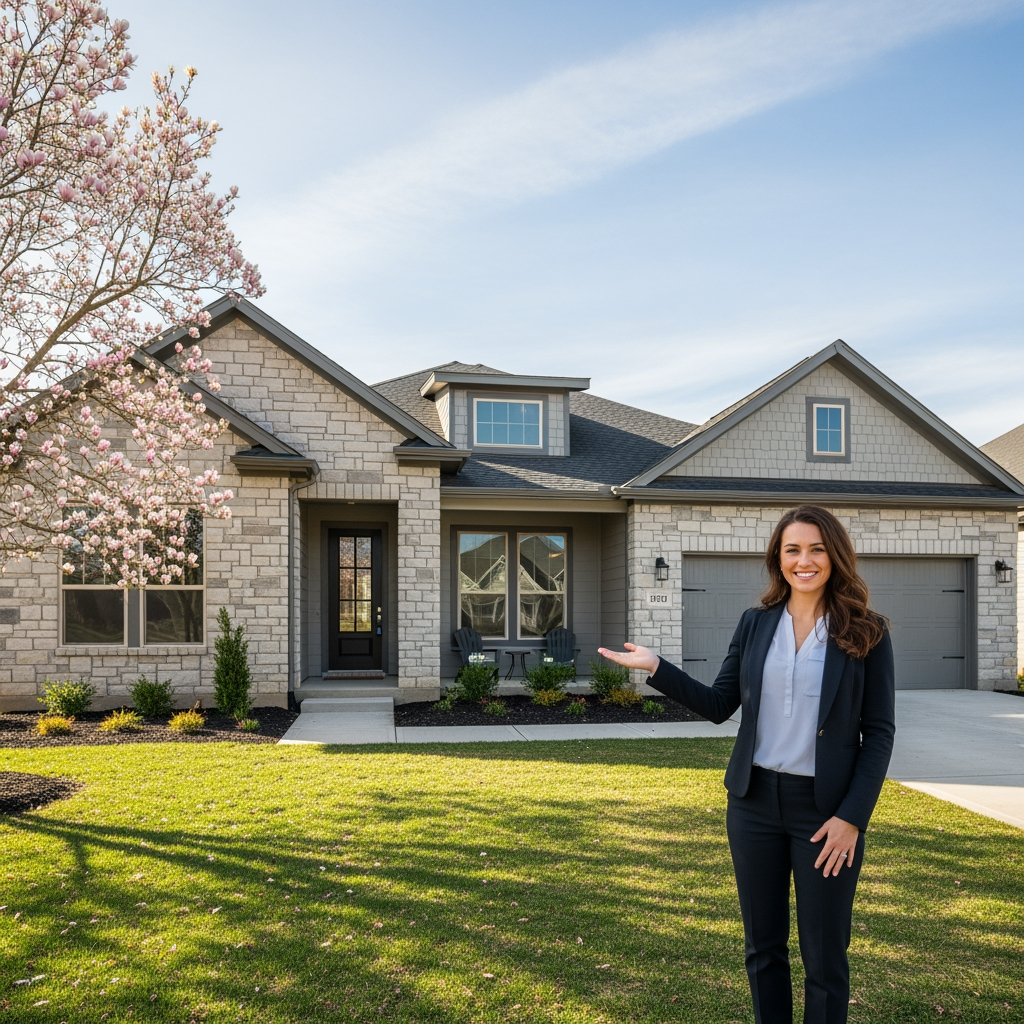
If you’re exploring options north of Houston, I’ll walk you through what makes Magnolia new homes for sale an appealing choice for families, commuters, and buyers looking for modern amenities and strong resale potential. For a snapshot of how fast this region is growing and who lives here, the U.S. Census Bureau offers broad demographic context that helps explain local housing demand and planning trends — a useful resource when timing a purchase.
Why Magnolia is attracting buyers right now
Magnolia’s appeal isn’t a mystery once you spend a little time in the area: you get a quieter suburban feel with more space compared with inner-Houston neighborhoods, yet the city remains within reach of major employment corridors. Builders are responding to demand by delivering practical floorplans, energy-conscious systems, and community amenities aimed at active families. Whether you’re relocating from the city or upgrading from a starter home, you’ll notice a recurring theme in new developments: better value per square foot and modern design choices that reflect how people live today.
What Magnolia new homes for sale typically offer
New construction around Magnolia generally focuses on single-family homes with open floorplans, multiple bedrooms, and outdoor-friendly layouts. Builders advertise features meant to reduce day-to-day friction — thoughtful kitchen flow, flexible rooms that double as home offices, and covered outdoor living areas for year-round use. Many communities provide on-site amenities such as playgrounds, trails, and community centers that help neighbors connect without long drives.
Buyers should expect homes with these practical benefits: durable finishes that fit family life, energy-efficient HVAC systems, and floorplans designed for both privacy and shared living. These elements matter because they reduce maintenance headaches, help control utility costs, and support stronger resale value over time.
Trending features in new builds you’ll see in 2025
Home design trends are shifting toward flexibility and smart systems. From what I’m seeing, these trends are shaping Magnolia listings in meaningful ways:
- Multifunctional spaces: rooms that can switch from office to guest room to homeschool zone without major renovation.
- Energy-efficient upgrades: high-performance windows, tankless water heaters, and improved insulation to lower long-term operating costs.
- Smart home packages: integrated thermostats, prewired security systems, and app-based control for lighting and entry.
- Outdoor living emphasis: covered patios, room for grilling, and yard space that supports kids and pets.
These trends aren’t just cosmetic — they reflect what buyers want and what appraisers increasingly factor into valuations.
Where to look around Magnolia and nearby communities
Magnolia sits within commuting distance of major employment centers, and nearby towns and master-planned developments give buyers options depending on lifestyle and budget. Families often consider locations that balance school access, commute time, and neighborhood amenities. You’ll also see communities marketed for their proximity to green spaces, walking trails, and water features that make everyday life feel less congested than the inner city.
One nearby area drawing builder attention is Fulshear and several planned communities just west of Katy and Cypress. These neighborhoods offer similar new-home inventories with a mix of lot sizes and community amenities, so it’s worth touring multiple developments to compare finishes, community rules, and lot orientation.
How to tour a new construction home like a pro
Touring a model home is different from touring a resale. Builders stage models to show everything at its best, so knowing what to inspect and what to ask is key. I recommend focusing on systems, layout practicality, and the home’s shell — not just the décor.
- Check the site orientation and drainage — look at the slope of the lot and how water would move during a heavy rain.
- Inspect key systems: ask about HVAC efficiency, insulation R-values, and the manufacturer warranties for major appliances.
- Open every door and evaluate storage — closets, garage storage, and pantry space are often sacrificed in tight designs.
- Ask about construction timelines and how change orders are handled; understand what’s included versus what’s an upgrade.
Bring a camera, a tape measure, and a list of your non-negotiables. If you’re serious about a plan, request a walkthrough with a sales agent who can explain warranty coverage and the estimated completion schedule.
Financing and incentives for buying new
New construction has financing nuances that differ from resale properties. Lenders sometimes require additional documentation for build loans or for properties in certain communities, and builders may partner with preferred lenders to offer promotional incentives. Before you commit, know the financing landscape and plan for earnest money, appraisal differences, and the timeline for closing.
- Compare mortgage offers: even when a builder advertises a rate incentive, compare total costs across lenders to ensure it’s a net benefit.
- Ask about builder-paid closing costs or design center credits — these can reduce your out-of-pocket expenses at closing.
- Understand the appraisal process for new homes; appraisers evaluate comparable new construction, not staged models alone.
Working with a lender who understands new construction in the Magnolia area can smooth the process and reduce surprises in the final weeks before closing.
Local lifestyle, schools, and commute patterns
Magnolia offers a blend of small-town and suburban life. Families often prioritize local schools and short neighborhood commutes to parks and community centers. For those commuting to Houston or nearby employment hubs, major roads and parkway connections are part of the decision calculus. Traffic and commute times vary by time of day, so try a drive during peak hours before you finalize a location choice.
Also consider the conveniences you use regularly — grocery stores, healthcare clinics, and recreational facilities. New communities sometimes take time to fill out, meaning a short-term trade-off for long-term value as local retail and services arrive.
How new homes solve common buyer pain points
Buyers frequently tell me they want fewer maintenance headaches, more usable living space, and lower monthly utility bills. New construction can address these needs directly. Modern building materials and systems mean fewer immediate repairs, and energy-efficient components help reduce recurring costs. Smart floorplans maximize usable space so you don’t pay for awkward layouts or outdated design choices. Finally, community amenities often replace the need to travel for recreation, giving families more free time.
Final checklist before you sign
Before signing a purchase agreement, make sure you’ve confirmed these key items. I recommend reviewing the contract line by line, understanding the warranty provisions, and securing a final walk-through window so you can document any items that need correction before closing. Also verify HOA policies and fees, and ask about future development plans in and around the neighborhood that could affect views, traffic, or noise.
Ready to tour homes in Magnolia?
If you’re ready to see model homes and explore specific floorplans, schedule a visit with a local builder to compare communities, finishes, and lot orientations in person. For more information and to book a tour at the community I highlighted earlier, reach out to Empire Homes. I’ve found that nothing replaces an in-person tour when choosing the right home for your family and future needs.